Baccala alla vicentina
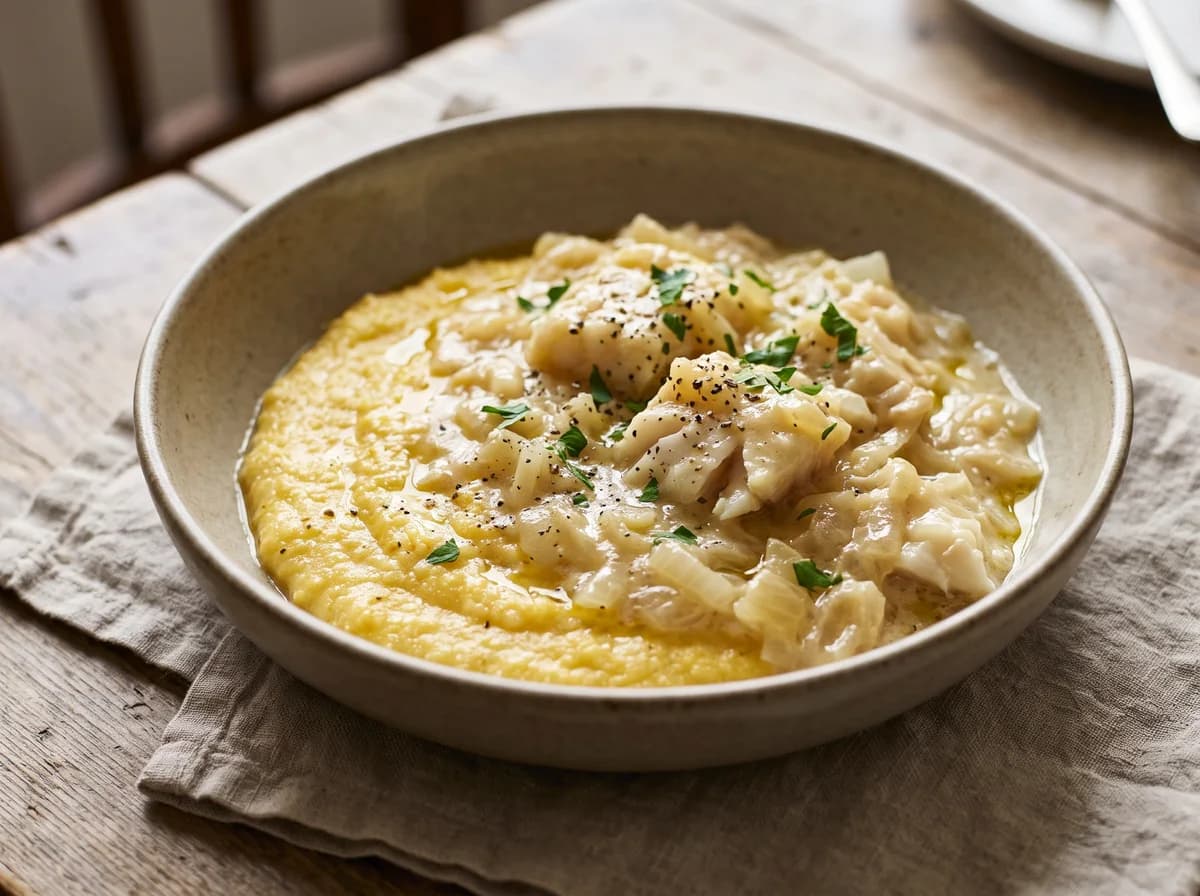
A classic Vicenza-style stew of soaked stockfish simmered very gently with onions, anchovy, milk, olive oil, and a little flour until spoon-tender and fragrant. This version serves 2 generous portions with soft polenta. The fish is layered, not stirred, so it stays intact and the sauce turns silky instead of grainy.
Estimated calories and US ingredient costs.
For a larger batch, use a wider Dutch oven or braiser so the fish stays in a single layer. Keep the heat and braising time the same; only the pan diameter and ingredient amounts should change. If doubling, plan on one large pan rather than stacking the fish, or the sauce will take longer to thicken and the pieces may break apart.
Your whole cook, in one place.
Ingredients, steps and a live timeline. Ready for 2 people.
Step timeline
Cooking order
11 leftSoak and refresh the fish
~2160 min cookSoak and refresh the fish.
Put the 8 oz dried stockfish in a bowl, cover with 8 cups water, and refrigerate for 36 hours.
Change the water 3 or 4 times during the soak.
After soaking
Ingredients
- 8 cupsWater

Drain, rinse
After ~2160 mindrain, rinse, and trim away any skin, pin bones, or cartilage.
Pat the fish dry and break it into 2 to 3 large pieces so it can cook evenly without falling apart.
Build the onion base
~15 minBuild the onion base.
Set a medium saucepan or small Dutch oven over medium-low heat.
Add the sliced onion, 2 tbsp olive oil, and 1 tbsp unsalted butter.
Cook for 12 to 15 minutes, stirring often, until the onion is fully soft and glossy but not browned.
If it starts to color, lower the heat.
This slow base gives the sauce its sweetness and keeps the fish from tasting harsh.
Ingredients
- 1 total for recipeMedium yellow onion, 8 oz thinly sliced
- 2 tbspExtra-virgin olive oil
- 1 tbspUnsalted butter



Add anchovy and flour
~1 minAdd anchovy and flour.
Stir in the 2 drained anchovy fillets and mash them into the onions until they disappear.
Sprinkle in 1 tbsp flour and cook for 1 minute, stirring constantly so the flour loses its raw taste.
The mixture will look paste-like.
This small amount of flour helps the milk sauce thicken without turning gluey.
Ingredients
- 1 total for recipeMedium yellow onion, 8 oz thinly sliced
- 2 total for recipeAnchovy fillets
- 1 tbspAll-purpose flour

Layer the fish and liquid
~1 minLayer the fish and liquid.
Arrange the stockfish pieces in the pan in a single even layer over the onion mixture.
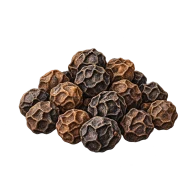
Pour in 1/2 cup whole milk and 1/2 cup water, then season with 1/4 tsp kosher salt and 1/4 tsp black pepper.
Do not stir.
Shake the pan gently once to distribute the liquid, then cover tightly.
Ingredients
- 1/2 cupWhole milk
- 1/2 cupWater
- 1/4 tspBlack pepper
- 1/4 tspKosher salt


Braise very gently
~90 min cookBraise very gently.
Cook over the lowest possible heat for 1 hour 20 minutes to 1 hour 30 minutes, checking every 20 minutes to make sure the liquid is only barely moving
Simmer 5 to 10 minutes to reduce it
After ~90 minAdd a splash of water if the pan looks dry.
The fish is done when it flakes into thick, moist petals and the onions have melted into a pale, creamy sauce.
If the sauce seems thin at the end, uncover and simmer 5 to 10 minutes to reduce it.
Ingredients
- 1/2 cup total for recipeWater
Finish with parsley and adjust texture
~120 min cookFinish with parsley and adjust texture.
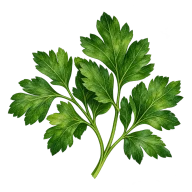
Sprinkle in 1 tbsp chopped parsley and gently nudge the pan once so the sauce coats the fish.
Taste a small spoonful of sauce and, if needed, add the remaining 1/8 tsp kosher salt.
Keep the pieces whole as you transfer them to warm plates or a shallow serving dish
then spoon the onion sauce over the top.
Chill leftovers within 2 hours.
Ingredients
- 1 total for recipeMedium yellow onion, 8 oz thinly sliced
- 1 tbspFlat-leaf parsley
- 1/8 tspKosher salt
Check the dish
After ~120 minCheck Baccala alla vicentina and continue when ready.
Cook the polenta
~20 minCook the polenta.
While the fish finishes, bring 2 cups water to a simmer in a small saucepan.
Whisk in 1/2 cup coarse yellow polenta and 1/8 tsp kosher salt.
Cook over low heat for 15 to 20 minutes, stirring often, until thick and creamy and no raw graininess remains.
Stir in 1 tsp olive oil for a softer finish.
Ingredients
- 1 tspExtra-virgin olive oil
- 2 cupsWater
- 1/8 tspKosher salt
- 1/2 cupCoarse yellow polenta

Serve meal
~1 minOnce all dishes are cooked and ready, plate and serve the meal together.
Baccala alla vicentina: Serve the baccala over the polenta or alongside it.
Make the next one yours.
Create a custom meal with what you have.
Read the traditional recipe
Ingredients
For 2 people
- 8 oz dried stockfish (baccala)
- 8 cups water, for soaking the stockfish
- 1 medium yellow onion, 8 oz thinly sliced
- 2 anchovy fillets, drained
- 1 tbsp all-purpose flour
- 2 tbsp extra-virgin olive oil
- 1 tbsp unsalted butter
- 1/2 cup whole milk
- 1/2 cup water
- 1 tbsp chopped flat-leaf parsley
- 1/4 tsp black pepper
- 1/4 tsp kosher salt
- 1/2 cup coarse yellow polenta
- 2 cups water, for the polenta
- 1/8 tsp kosher salt, for the polenta
- 1 tsp extra-virgin olive oil, for the polenta
Method
- Soak and refresh the fishPut the 8 oz dried stockfish in a bowl, cover with 8 cups water, and refrigerate for 36 hours. Change the water 3 or 4 times during the soak. After soaking, drain, rinse, and trim away any skin, pin bones, or cartilage. Pat the fish dry and break it into 2 to 3 large pieces so it can cook evenly without falling apart.
- Build the onion baseSet a medium saucepan or small Dutch oven over medium-low heat. Add the sliced onion, 2 tbsp olive oil, and 1 tbsp unsalted butter. Cook for 12 to 15 minutes, stirring often, until the onion is fully soft and glossy but not browned. If it starts to color, lower the heat. This slow base gives the sauce its sweetness and keeps the fish from tasting harsh.
- Add anchovy and flourStir in the 2 drained anchovy fillets and mash them into the onions until they disappear. Sprinkle in 1 tbsp flour and cook for 1 minute, stirring constantly so the flour loses its raw taste. The mixture will look paste-like. This small amount of flour helps the milk sauce thicken without turning gluey.
- Layer the fish and liquidArrange the stockfish pieces in the pan in a single even layer over the onion mixture. Pour in 1/2 cup whole milk and 1/2 cup water, then season with 1/4 tsp kosher salt and 1/4 tsp black pepper. Do not stir. Shake the pan gently once to distribute the liquid, then cover tightly.
- Braise very gentlyCook over the lowest possible heat for 1 hour 20 minutes to 1 hour 30 minutes, checking every 20 minutes to make sure the liquid is only barely moving. Add a splash of water if the pan looks dry. The fish is done when it flakes into thick, moist petals and the onions have melted into a pale, creamy sauce. If the sauce seems thin at the end, uncover and simmer 5 to 10 minutes to reduce it.
- Finish with parsley and adjust textureSprinkle in 1 tbsp chopped parsley and gently nudge the pan once so the sauce coats the fish. Taste a small spoonful of sauce and, if needed, add the remaining 1/8 tsp kosher salt. Keep the pieces whole as you transfer them to warm plates or a shallow serving dish, then spoon the onion sauce over the top. Chill leftovers within 2 hours.
- Cook the polentaWhile the fish finishes, bring 2 cups water to a simmer in a small saucepan. Whisk in 1/2 cup coarse yellow polenta and 1/8 tsp kosher salt. Cook over low heat for 15 to 20 minutes, stirring often, until thick and creamy and no raw graininess remains. Stir in 1 tsp olive oil for a softer finish. Serve the baccala over the polenta or alongside it.
Before you cook
What to get ready
Covered heavy saucepan, shallow soaking container, polenta pot and thermometer.
Check whether you bought dried stockfish or salt cod; follow the product's soaking and refrigerated handling instructions.
If something needs adjusting
Fish remains salty after soaking
Salted cod and unsalted stockfish differ; taste only after cooking and delay added salt until the sauce is finished.
Fish breaks up in the sauce
Keep the heat very gentle and move the pan rather than stirring vigorously. Lift portions with a broad spoon.
Store for later
Keep soaking fish refrigerated. Refrigerate the cooked fish and polenta separately in shallow containers and reheat leftovers to 165°F.
Refrigerate perishables within 2 hours, or 1 hour above 90°F. Keep the fridge at 40°F or below; use refrigerated leftovers within 3–4 days. USDA storage and reheating guidance.
Make the ingredients go further
Buy the specified fish deliberately rather than treating fresh cod as an identical substitute.
Next use for your ingredients: Baked cod with tomatoes →
Calculate this meal with your own prices →
How to Cool and Store Leftovers →
Cooking notes updated October 24, 2026. How we create recipes.
Tips, swaps and questions
A little kitchen know-how
The key to Baccala alla Vicentina is restraint: keep the heat barely at a whisper and avoid stirring once the fish goes into the pan. If you agitate it, the pieces break up and the sauce can turn cloudy. A narrow pan helps the liquid stay in contact with the fish while it braises, and a tight lid prevents the milk from evaporating too fast.
Make it work for you
If you cannot find dried stockfish, use 8 oz boneless skinless salted cod that has been soaked and refreshed the same way, but reduce the added salt to a pinch because salted cod is usually saltier than stockfish. You can also serve it with mashed potatoes instead of polenta, but the dish will taste less traditional and the softer starch will make the sauce seem richer.
Use more of your yellow onion and butter in poulet yassa.
Why does this recipe use milk with the fish?
Milk is traditional in Baccala alla Vicentina. It softens the salinity of the cured fish, helps the onions turn creamy, and creates a pale sauce that clings to the flakes. It also discourages sharp fishy edges. If the sauce looks broken, keep the heat low and let it reduce uncovered briefly instead of raising the flame.
Times are estimates. Check ingredients for allergens. For safe temperatures and storage, see FoodSafety.gov.