Bucatini amatriciana
Roman-style bucatini amatriciana for 2 brings chewy pasta, crisp guanciale, white wine, tomatoes, and Pecorino Romano together in a glossy red sauce. The key is slow rendering, a brief tomato simmer, and finishing with pasta water and cheese off the heat so the sauce emulsifies instead of turning greasy or pasty.
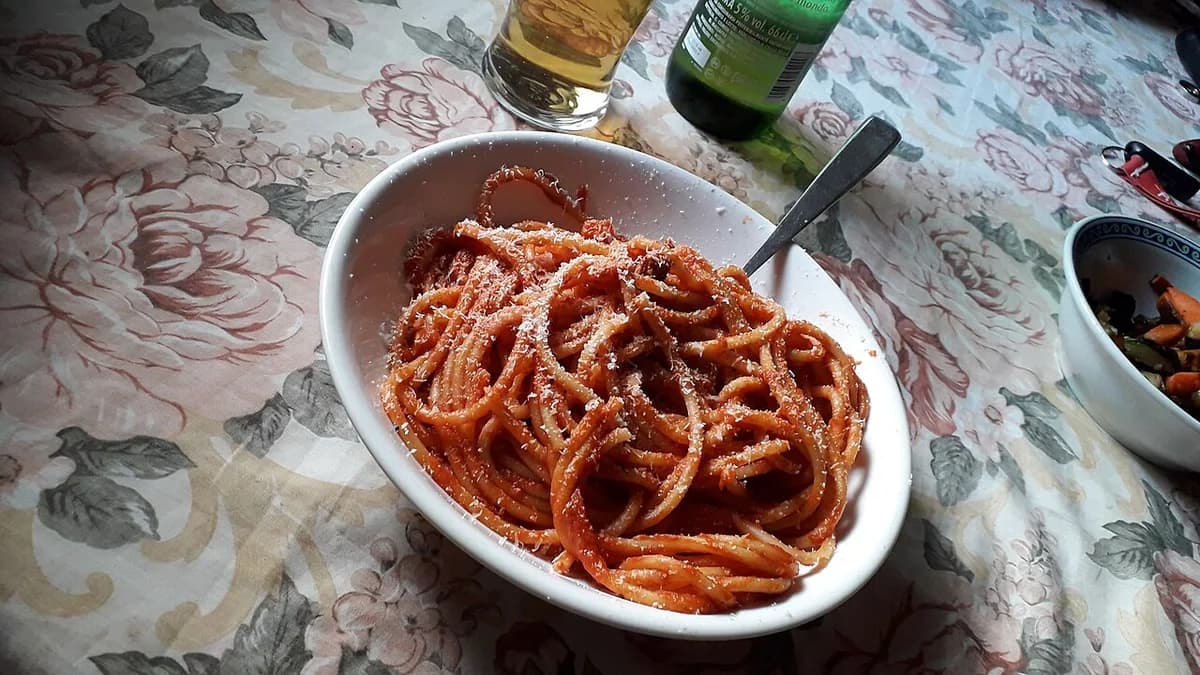
Estimated calories and US ingredient costs.
For 4 servings, keep the same method but move to a 12-inch skillet and a 6-quart pot, with 12 oz bucatini, 8 oz guanciale, and 2 cups tomatoes. For larger batches, finish the pasta in two rounds if needed, because a crowded pan makes the cheese clump instead of emulsifying. The nutrition values here count the pasta, guanciale, tomatoes, wine, and cheese actually eaten; they do not include any discarded cooking liquid. Pasta-water absorption is not counted separately, so kcal remain an estimate rather than a lab measurement.
Your whole cook, in one place.
Ingredients, steps and a live timeline. Ready for 2 people.
Step timeline
Cooking order
10 leftBoil the pasta water
~1 minBoil the pasta water.
Bring 8 cups water and 1/2 tsp kosher salt to a boil in a 4-quart pot over high heat.
Keep it at a steady boil while you start the sauce, because the bucatini should go in as soon as the tomato base is ready.
Ingredients
- 8 cupsWater
- 1/2 tspKosher salt
- 6 oz total for recipeDried bucatini


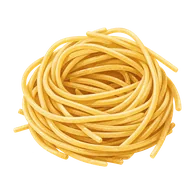
Render the guanciale
~8 minRender the guanciale.
Set a 12-inch skillet over medium-low heat and add 4 oz guanciale.
Cook, stirring occasionally, for 6 to 8 minutes until the fat is mostly rendered and the edges are deep golden.
If the pan seems dry at first, give it a minute; guanciale should melt before it browns hard.
Bloom the spices and deglaze
~2 minBloom the spices and deglaze.
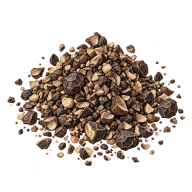
Stir in 1/4 tsp crushed red pepper flakes and 1/4 tsp freshly ground black pepper, then cook for about 15 seconds in the hot fat.
Add 1/4 cup dry white wine and simmer for about 1 minute, scraping the pan, until the wine is reduced by about half and smells less sharp.
Ingredients
- 1/4 tspCrushed red pepper flakes
- 1/4 tspFreshly ground black pepper
- 1/4 cupDry white wine


Build the tomato sauce
~10 minBuild the tomato sauce.
Add 1 cup canned whole peeled tomatoes, hand-crushed with juices, to the skillet.
Simmer over medium-low for 8 to 10 minutes, stirring now and then, until the sauce looks glossy and slightly thickened and the guanciale is suspended in the tomatoes instead of floating in oil.
If the tomatoes are very chunky, break them up with the spoon as they cook.
Ingredients
- 1 cupCanned whole peeled tomatoes, hand-crushed with juices
Cook and drain the bucatini
~10 min cookCook and drain the bucatini.
Drop 6 oz dried bucatini into the boiling water and cook until 1 minute short of package al dente, usually about 8 to 10 minutes.
Before draining, reserve at least 1/2 cup of the pasta water
Ingredients
- 6 ozDried bucatini
Drain the bucatini well, but do not rinse it
After ~10 minDrain the bucatini well, but do not rinse it.
Toss the pasta in the sauce
~2 minToss the pasta in the sauce.
Add the drained bucatini to the skillet and toss over medium heat for 1 to 2 minutes.
Splash in 2 to 3 tbsp of the reserved pasta water first, then add more only if the sauce looks tight.
The noodles should pick up a thin, shiny coat rather than sit in a pool of tomato liquid.
Ingredients
- 6 oz total for recipeDried bucatini
Emulsify with Pecorino Romano
~1 minEmulsify with Pecorino Romano.
Turn the heat off and add 1/4 cup of the finely grated Pecorino Romano, tossing constantly until it melts into the sauce.
Add the remaining 1/4 cup and toss again.
If the sauce starts to clump, loosen it with 1 tbsp pasta water at a time until it turns creamy and glossy again, not stringy.
Ingredients
- 1/4 cupPecorino Romano
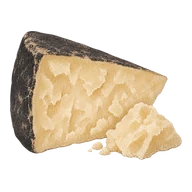

Plate and serve immediately
~1 minTwirl the bucatini into warm bowls
spoon the guanciale and tomato sauce over the top,
Wipe any sauce smears from the bowl rim for a cleaner finish and keep the pasta loose so each strand stays coated.
Ingredients
- 6 oz total for recipeDried bucatini
Serve meal
~1 minOnce all dishes are cooked and ready, plate and serve the meal together.
Bucatini amatriciana: Plate
Bucatini amatriciana: serve immediately.
Bucatini amatriciana: serve right away while the cheese is still silky.
Make the next one yours.
Create a custom meal with what you have.
Read the traditional recipe
Ingredients
For 2 people
- 8 cups water
- 1/2 tsp kosher salt
- 6 oz dried bucatini
- 4 oz guanciale, cut into 1/4-inch strips
- 1/4 tsp crushed red pepper flakes
- 1/4 tsp freshly ground black pepper
- 1/4 cup dry white wine
- 1 cup canned whole peeled tomatoes, hand-crushed with juices
- 1/2 cup finely grated Pecorino Romano
Method
- Boil the pasta waterBring 8 cups water and 1/2 tsp kosher salt to a boil in a 4-quart pot over high heat. Keep it at a steady boil while you start the sauce, because the bucatini should go in as soon as the tomato base is ready.
- Render the guancialeSet a 12-inch skillet over medium-low heat and add 4 oz guanciale. Cook, stirring occasionally, for 6 to 8 minutes until the fat is mostly rendered and the edges are deep golden. If the pan seems dry at first, give it a minute; guanciale should melt before it browns hard.
- Bloom the spices and deglazeStir in 1/4 tsp crushed red pepper flakes and 1/4 tsp freshly ground black pepper, then cook for about 15 seconds in the hot fat. Add 1/4 cup dry white wine and simmer for about 1 minute, scraping the pan, until the wine is reduced by about half and smells less sharp.
- Build the tomato sauceAdd 1 cup canned whole peeled tomatoes, hand-crushed with juices, to the skillet. Simmer over medium-low for 8 to 10 minutes, stirring now and then, until the sauce looks glossy and slightly thickened and the guanciale is suspended in the tomatoes instead of floating in oil. If the tomatoes are very chunky, break them up with the spoon as they cook.
- Cook and drain the bucatiniDrop 6 oz dried bucatini into the boiling water and cook until 1 minute short of package al dente, usually about 8 to 10 minutes. Before draining, reserve at least 1/2 cup of the pasta water. Drain the bucatini well, but do not rinse it.
- Toss the pasta in the sauceAdd the drained bucatini to the skillet and toss over medium heat for 1 to 2 minutes. Splash in 2 to 3 tbsp of the reserved pasta water first, then add more only if the sauce looks tight. The noodles should pick up a thin, shiny coat rather than sit in a pool of tomato liquid.
- Emulsify with Pecorino RomanoTurn the heat off and add 1/4 cup of the finely grated Pecorino Romano, tossing constantly until it melts into the sauce. Add the remaining 1/4 cup and toss again. If the sauce starts to clump, loosen it with 1 tbsp pasta water at a time until it turns creamy and glossy again, not stringy.
- Plate and serve immediatelyTwirl the bucatini into warm bowls, spoon the guanciale and tomato sauce over the top, and serve right away while the cheese is still silky. Wipe any sauce smears from the bowl rim for a cleaner finish and keep the pasta loose so each strand stays coated.
Before you cook
What to get ready
Large pasta pot, colander, wide sauce pan, tongs and a mug for reserved cooking water.
Cut guanciale into even strips and finely grate Pecorino before cooking.
If something needs adjusting
Cheese forms clumps
Take the pan off strong heat and toss cheese in gradually with a little pasta water.
Sauce tightens after tossing
Add reserved pasta water a spoonful at a time while tossing. Serve promptly because pasta continues absorbing liquid.
Store for later
Refrigerate pasta promptly in shallow containers. Reheat to 165°F with a small splash of water; keep uncooked cheese or herb toppings separate when possible.
Refrigerate perishables within 2 hours, or 1 hour above 90°F. Keep the fridge at 40°F or below; use refrigerated leftovers within 3–4 days. USDA storage and reheating guidance.
Make the ingredients go further
Use leftover guanciale in carbonara with pasteurized eggs.
Next use for your ingredients: Spaghetti carbonara →
Calculate this meal with your own prices →
Cooking notes updated October 24, 2026. How we create recipes.
Tips, swaps and questions
A little kitchen know-how
Keep the guanciale on medium-low, not high heat. Slow rendering gives you enough fat to coat the bucatini without burning the outside of the pork. If the finished sauce looks oily, toss in another tablespoon of pasta water off the heat and stir until it turns glossy again.
Make it work for you
Pancetta is the closest substitute, but because it is leaner and less funky than guanciale, the sauce will need a little more pasta water to stay silky. Bacon is smokier and can dominate the tomatoes, so use it only if you want a different flavor profile.
Use more of your guanciale and Pecorino Romano in spaghetti carbonara.
Why use bucatini instead of spaghetti?
Bucatini is thicker and hollow, so it traps the tomato sauce and small guanciale pieces inside and outside the strands. Spaghetti will still work, but the finished dish will feel lighter and less traditional, so shorten the final toss if the sauce starts to look dry.
Times are estimates. Check ingredients for allergens. For safe temperatures and storage, see FoodSafety.gov.